The ideas and principles guiding the foundation's launch
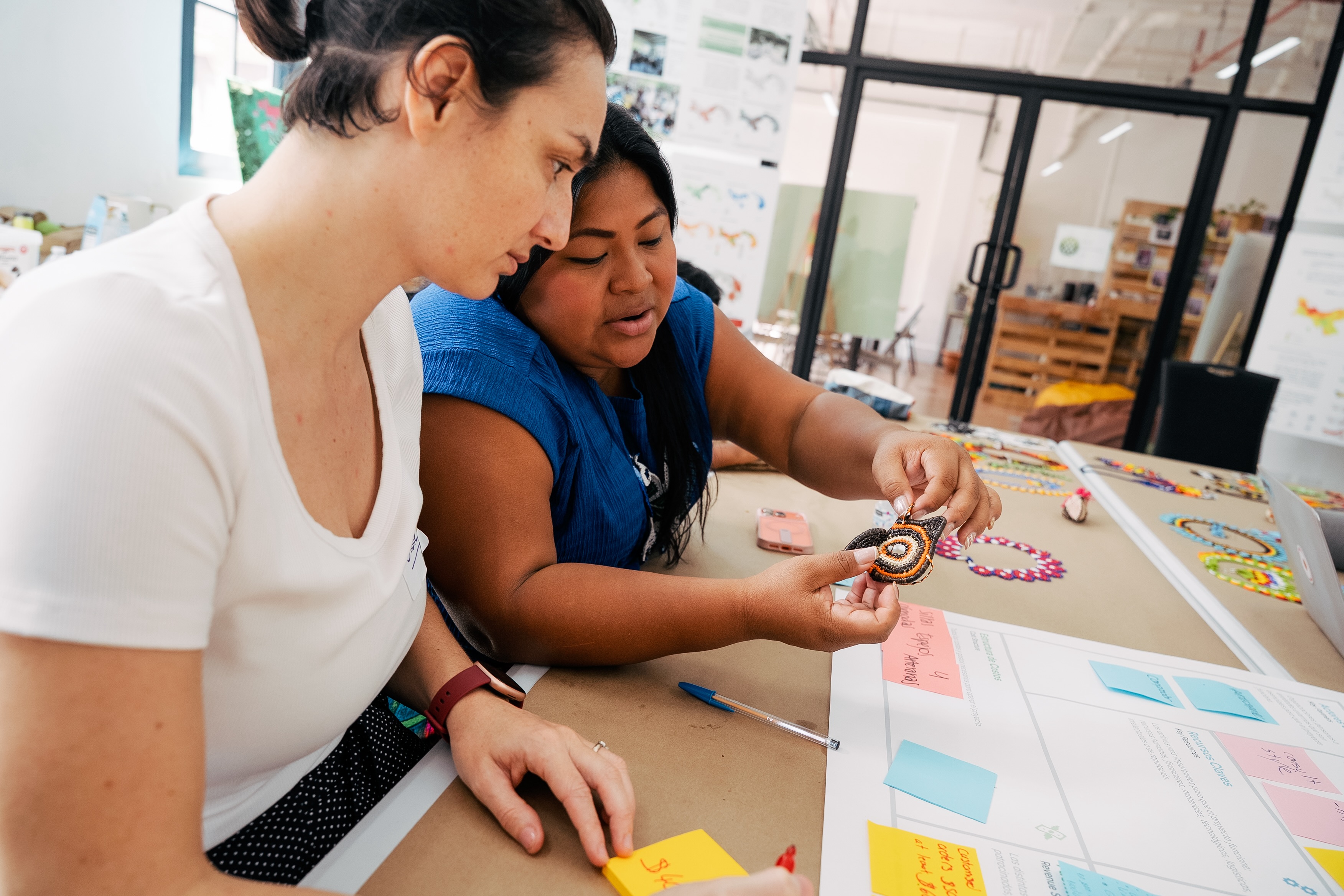
This document was written for those who took part in the three-day Design-A-Thon — the Sara Omi Foundation's Collective Design event in Panama City.
This document presents the theoretical framework of the event.
It includes the concepts and ideas that guided the approach we're taking for the foundation.
Theoretical framework:
This is the set of ideas, principles, and references that served as the foundation for understanding the problem, guiding decisions, and giving coherence to what was built.
Here are the key ideas, concepts, and principles guiding our approach:
The question we're trying to answer is: would treating a nonprofit foundation like a startup during its launch and formation phase produce faster, better results?
What is an emerging enterprise?
An emerging enterprise is an organization created to solve a specific problem under conditions of uncertainty, using experimentation, speed, and iteration to discover what works before scaling.
But why would we do this?
Early in my career I focused on innovative startups and on nonprofit organizations in the creative and artistic space. There, I saw firsthand the challenges of aligning board, funding, and mission.
Startups (emerging enterprises) could use their initial seed capital to quickly reach problem-solution fit (“This solution solves this problem.”) and then solution-market fit, (“This market buys this solution.”) before becoming more complex and systematized in order to grow.
In essence, they had room to make mistakes and move fast early on.
Nonprofit organizations, by their nature, manage risk slowly. That's why, when boards needed fast innovation and execution, they would typically hire outside consultants (agencies) to align and execute outside the board's own dynamics.
For our Foundation, one question is this: “If our founding team comes from startups, business entrepreneurship, design and art, web development, marketing, film, and event production, why not draw on that experience to move fast and produce the key results we need?”
We have a unique opportunity and window to generate impact within the three-year window we have as a nonprofit organization to demonstrate to donors and funders our capacity to deliver on our mission's goals.
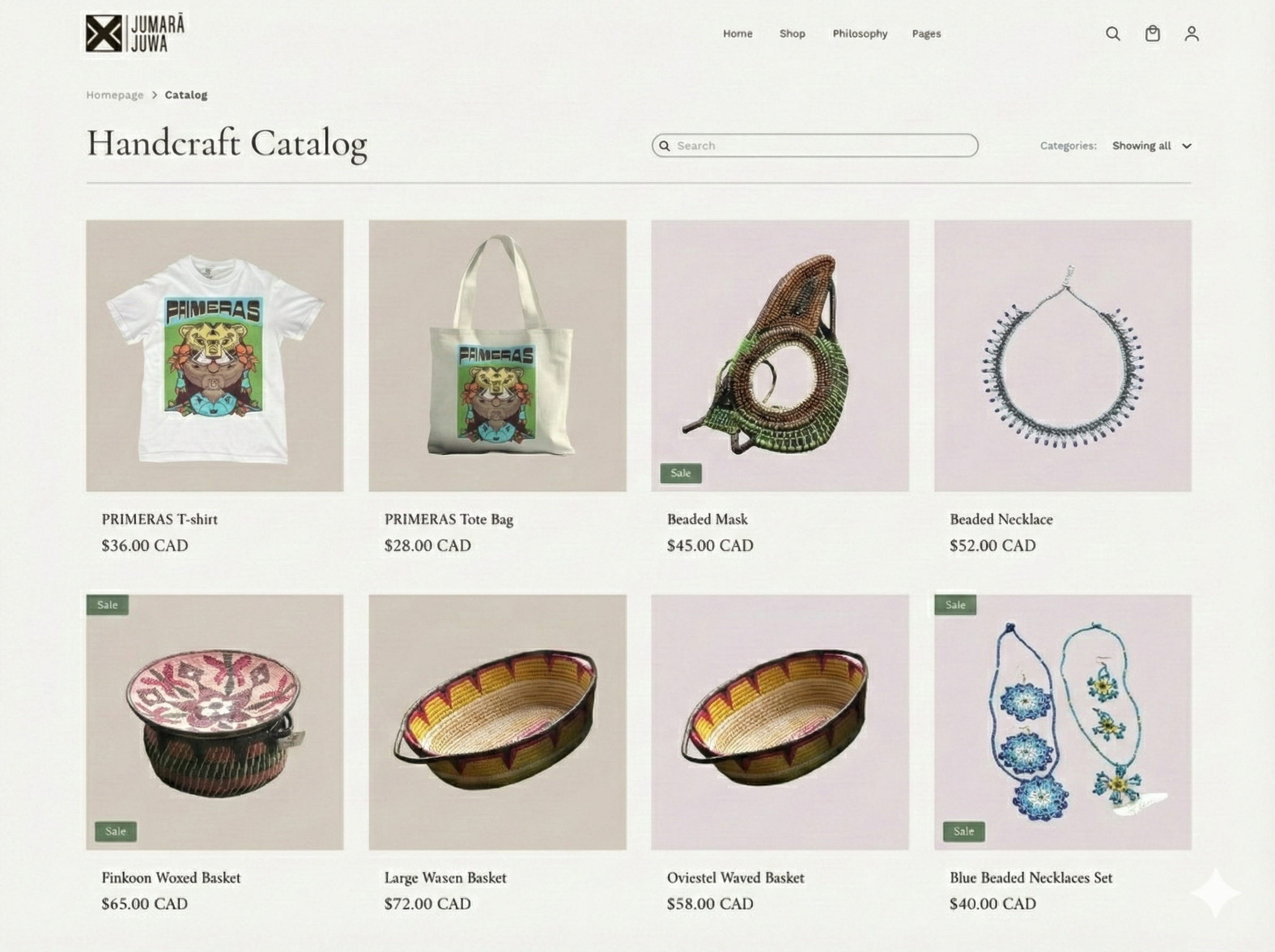
An MVP (Minimum Viable Product) is the simplest, most functional version of an idea, built with the minimum resources necessary to quickly learn what works in practice.
Instead of trying to make everything perfect from the start, the MVP lets us test, adjust, and improve based on the reality of the territory, the community, and the resources available.
Using this approach helps us reduce risk, make better decisions, and move forward with clarity, allowing us to generate impact faster by focusing energy and budget only on what truly creates value and fulfills the foundation's mission.
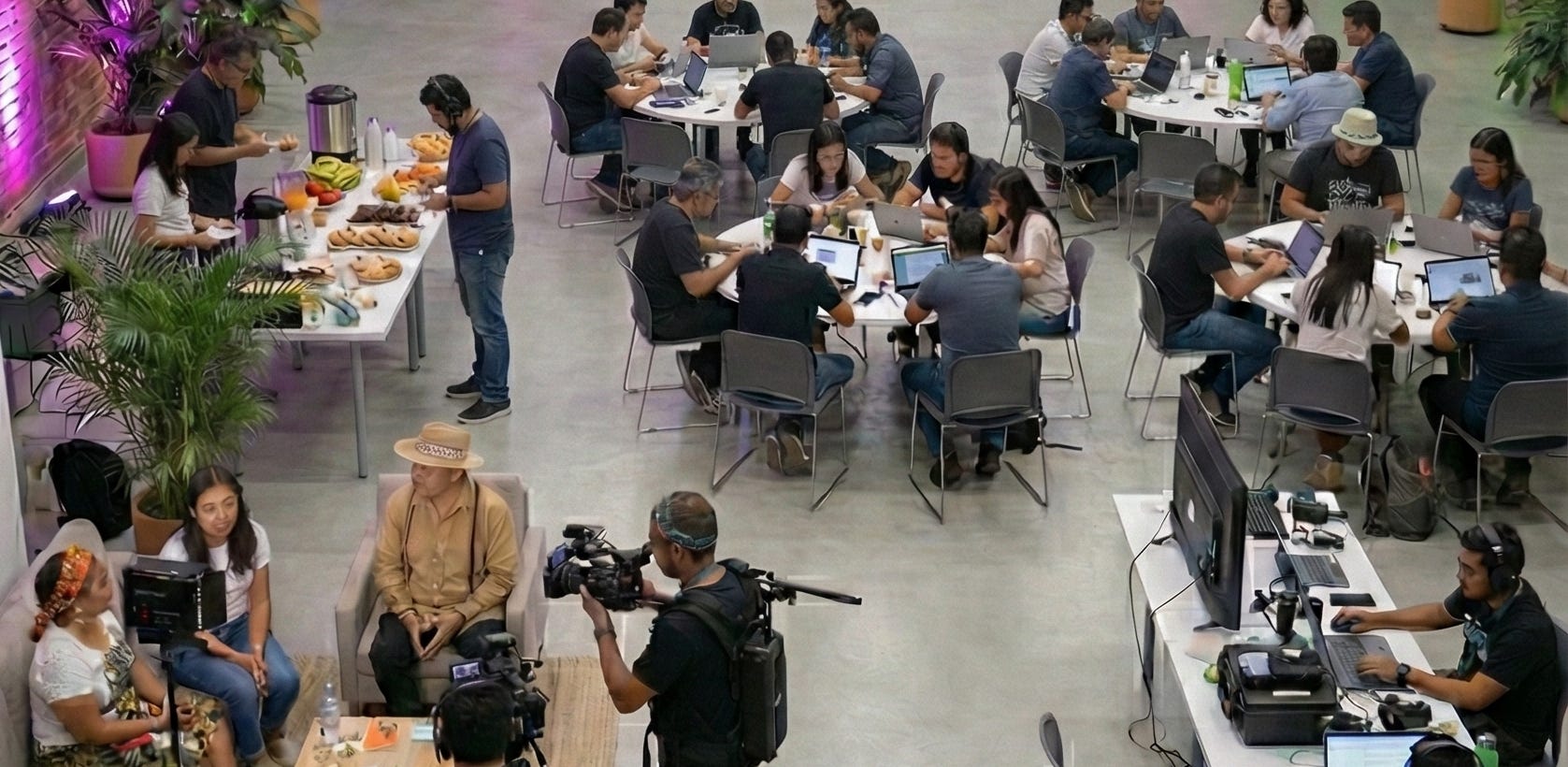
A hack-a-thon is an intensive, collaborative, time-boxed workspace where teams come together to solve concrete problems and produce real results in a matter of days.
It was pioneered and developed in Silicon Valley before spreading to the world's leading tech capitals.
More than an event, it's a methodology that prioritizes action, collaboration, and fast decision-making.
Using this format lets us concentrate talent, knowledge, and energy in one place, speed up execution, and move from ideas to tangible solutions, helping us move faster toward the impact the foundation seeks to generate.
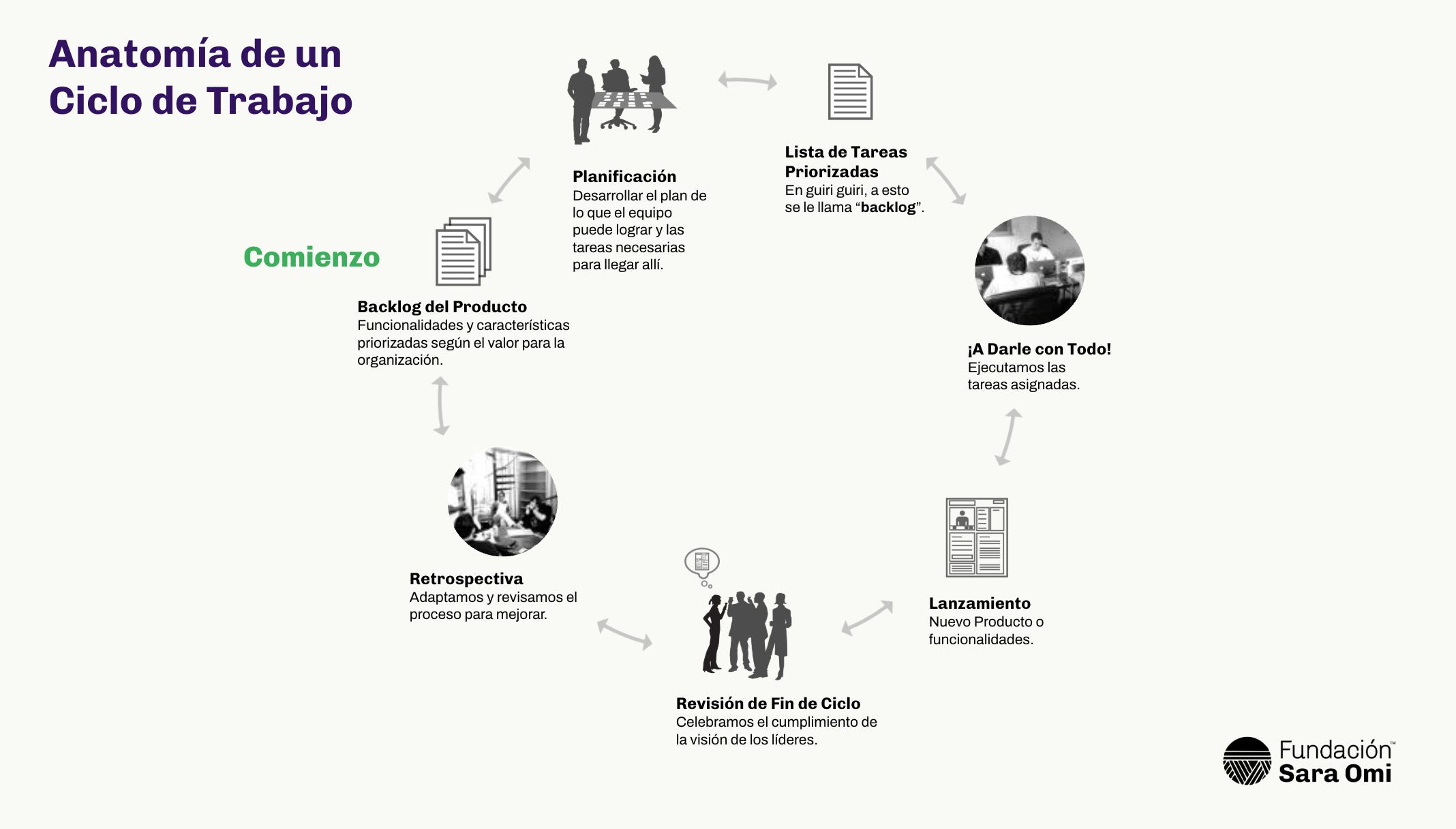
A sprint is a short, focused work cycle, with a defined duration, designed to make concrete progress toward a clear goal.
It comes from modern software development, but draws inspiration from multiple sources: the military world (mission clarity and execution in short cycles), zen (presence, focus, and simplicity), and biology (natural rhythms of action, pause, learning, and adaptation).
A sprint establishes key rituals:
Defining the Goal, which defines what we're trying to achieve.
The Definition of Done, which clarifies when something is truly finished.
Estimation and Prioritization of tasks, to focus energy on the essentials.
Short Check-in Meetings (stand-ups) to stay aligned.
Sprint reviews, where completed work is evaluated.
Retrospectives, where we reflect on what worked and what needs to improve.
Sprints promote autonomy, shared responsibility, continuous learning, and fast adaptation to reality, allowing us to build with the community, respond to context, and generate real impact in a way that's more agile, human, and sustainable.
We create a safe environment where experimenting, testing, and adjusting are a natural part of the process.
Here, mistakes aren't penalized: they're observed, understood, and turned into learning.
This approach lets us move forward with honesty, reduce the fear of deciding, and build solutions that are stronger and more aligned with reality.
We understand transparency as the commitment to show how we're building, not just the final results.
We share progress, decisions, doubts, and mistakes openly and publicly, because the process is also part of the value.
By making visible what works and what doesn't, we reduce fear, strengthen trust, and create an environment where learning matters as much as executing.
This transparency lets us move forward with greater honesty, clarity, and coherence with the organization's mission.
Inclusion means bringing together people and stakeholders diverse in gender, age, beliefs, and backgrounds, but also recognizing and valuing different personalities and ways of thinking.
We design a space that adapts, rather than demanding adaptation, to welcome neurodiversity and cultural differences.
By doing so, we broaden participation, improve collaboration, and build solutions that are more just, creative, and sustainable.
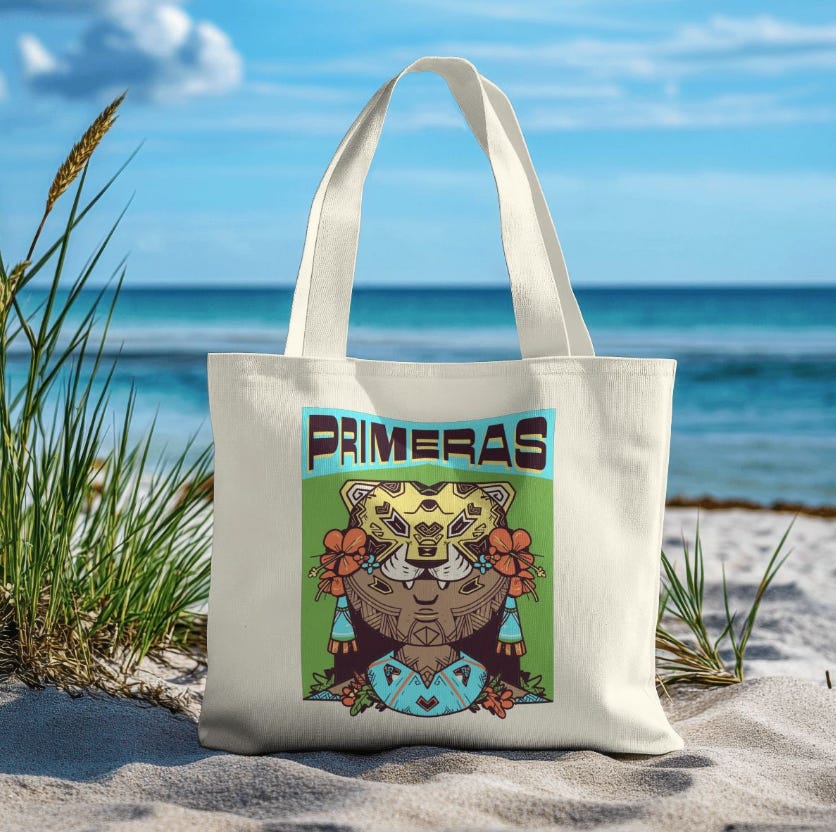
Going against the current means questioning what's taken for granted: an industry's cultural norms, institutional inertia, and the expectations tied to categories, identities, or labels.
Whether in the visual trends of nonprofit organizations, in organizational models, or in what's expected of us as “indigenous peoples” or other imposed frameworks, we choose not to fall in line automatically.
Following the idea that “when everyone zigs, we zag,” this approach isn't just about standing out in a noisy world — it's about using surprise to connect emotionally with the wider culture.
We know how things are done today, we watch the signals of the zeitgeist and the practices of today's cultural disruptors, but we reinterpret them without fear or apology, creating something that makes people say: “wow, we haven't seen this before.”
The question here is simple and profound: how do we make collaborating joyful? How do we make building together fun? What kind of cultural container do we need to create?
We believe a path does exist, and it starts by naming enjoyment as a goal, not a side effect.
A space with ease and flow, where the work is driven not by pressure but by rhythm, curiosity, and shared meaning.
This theoretical framework begins to lay the groundwork for that enjoyment, though there's much more we could say.
For now, we'll leave you with this: close your eyes and return to a childhood memory where everything was pure enjoyment.
Long summer days at your grandmother's farm, playing outside with friends, making toys out of palm fronds, swimming in the river, selling candy to your classmates, sewing clothes for your cousins' dolls, making up stories.
It was all creativity.
It was friends.
It was pure wonder.
That's where we're headed.
Come with us.
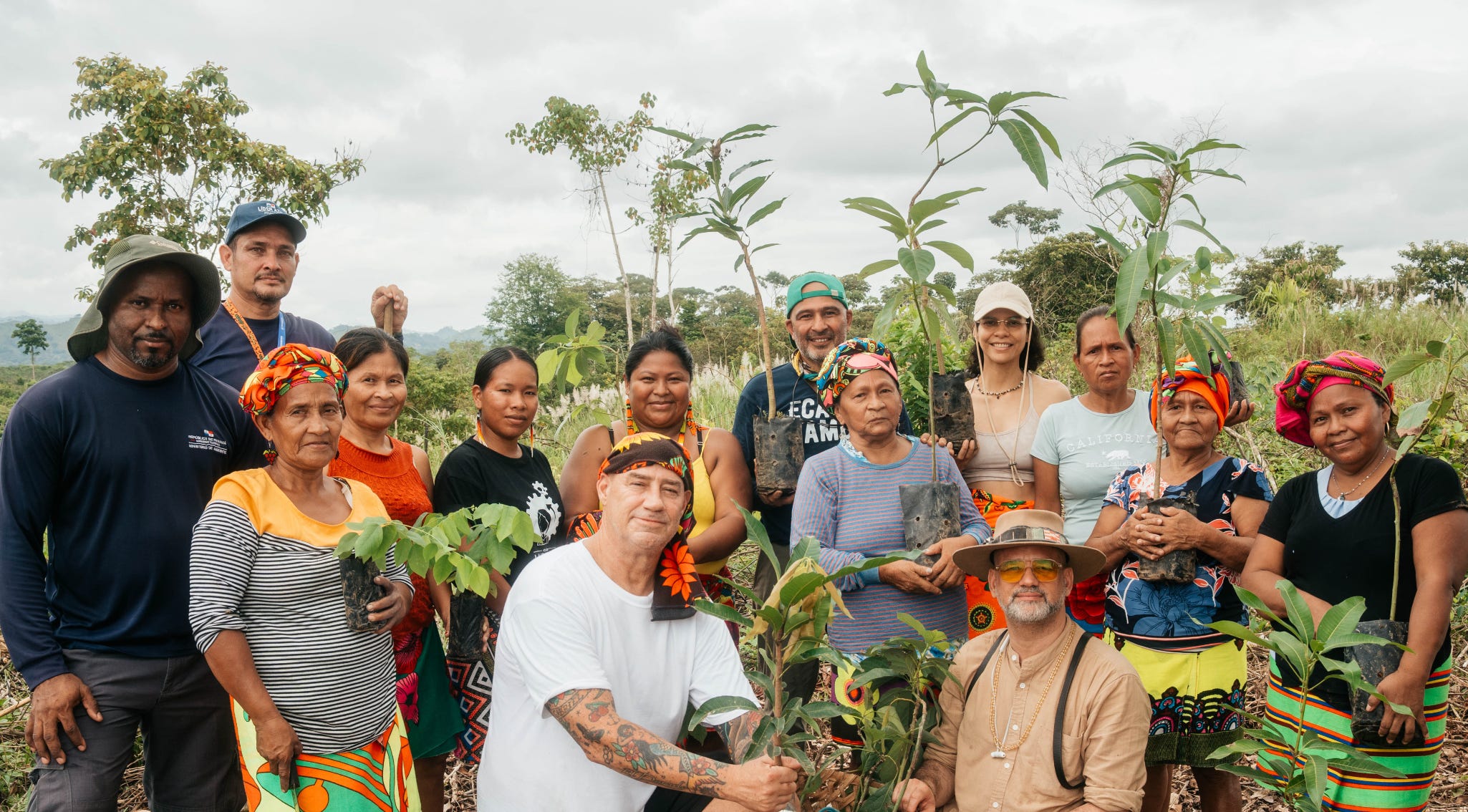
Our vision is to make it a reality that, by investing in the leadership and economic sovereignty of indigenous women, entire generations can thrive.
Our mission is to strengthen the capacities of indigenous women and youth through education, cultural preservation, health, and the creation of economic wellbeing.
Visit us on Instagram
Get news, updates on our programs, and real ways to support indigenous women's leadership. Leave us your email and become part of this growing community.
%20(1).jpg)
